
Nairobi’s real estate market has experienced structural shifts over the past decade. For institutional investors, private wealth managers, and individual buyers, deciding where to deploy capital requires looking past personal residential preferences to analyze raw financial metrics.
The primary debate shaping investment portfolios centers on two distinct asset classes: High-Density Modern Apartments and Low-to-Medium Density Maisonettes (Townhouses) within gated communities.
While both asset classes can build substantial wealth, they operate on completely different financial models. Apartments are built for high cash-flow velocity and immediate rental yields, while maisonettes focus on long-term capital appreciation, land ownership values, and premium tenant stability.
This analytical analysis by Urban Nexus Realty breaks down the macroeconomics, yield structures, historical data vectors, and total Return on Investment (ROI) profiles of maisonettes versus apartments across Nairobi’s premier investment nodes.
1. Defining the Asset Classes and Their Economic Models
To evaluate ROI accurately, we must establish the clear architectural and structural definitions of these two property types within the Kenyan legal framework.
+--------------------------------------------------------------------------+
|                       INVESTMENT ASSET MODELS                            |
|                                                                          |
|       [APARTMENT ASSET]                      [MAISONETTE ASSET]          |
|  - Airspace Ownership (Sectional)    - Land Title Ownership              |
|  - High Cash Velocity (Yield-Driven) - Value Tied to Land Appreciation    |
|  - Elevated Depreciation Factor      - Slow, Stable Asset Growth         |
+--------------------------------------------------------------------------+
The Apartment Asset Model
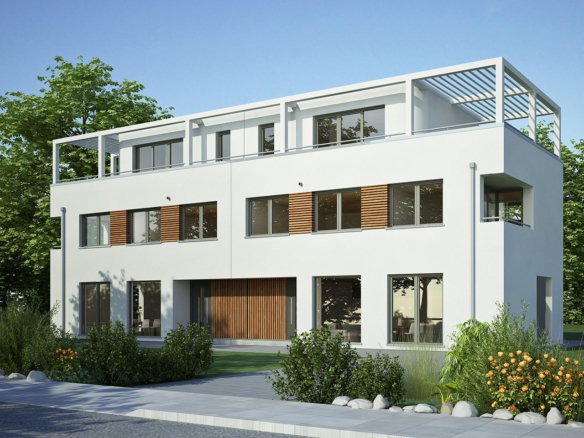
An apartment represents ownership of specific airspace and an undivided percentage share of common property, governed strictly by the Sectional Properties Act.
-
The Financial Profile: Highly commercialized. Apartments maximize spatial footprint by stacking multiple units vertically on a single plot of land. This high density lowers the initial cost of entry per unit for investors, while driving up immediate, predictable monthly rental revenues.
The Maisonette Asset Model
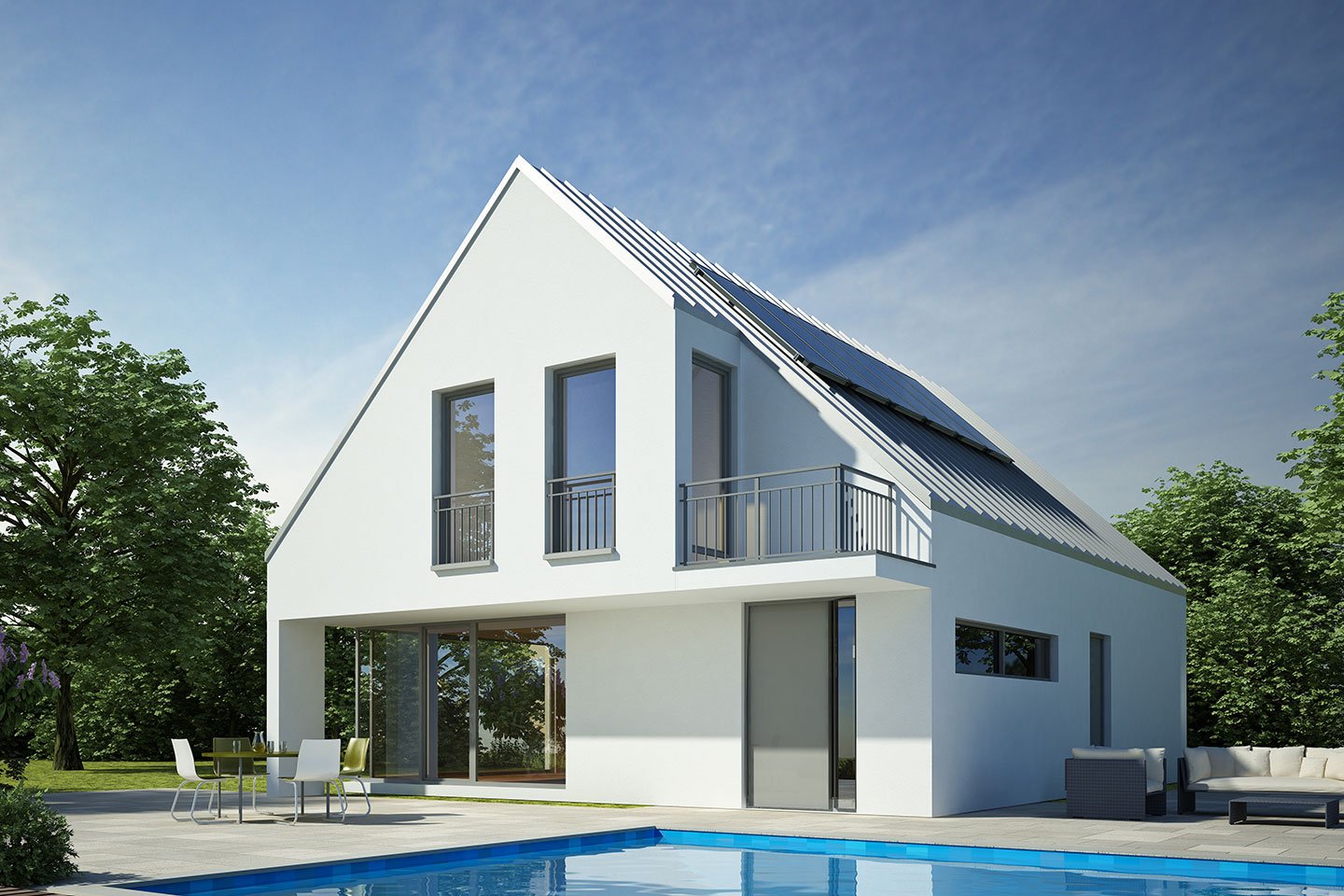
A maisonette (often integrated into townhouses or semi-detached residential configurations) typically features a multi-level layout (ground floor living spaces with upper-level bedrooms) and includes a private yard, dedicated parking, and a detached staff quarter (DSQ).
-
The Financial Profile: Asset-heavy. Maisonettes are typically tied to a specific fractional piece of underlying ground land or hold a direct individual title deed within a gated community setup. The investment value is anchored firmly to the intrinsic appreciation of the land rather than just the physical building structure.
2. Rental Yield Analysis: The Cash-on-Cash Comparison
Rental yield measures the immediate annual cash return generated by an asset relative to its initial acquisition cost. It represents the baseline cash flow keeping your real estate investment portfolio liquid.
Why Apartments Dominate the Yield Landscape
In Nairobi’s current economic landscape, apartments consistently outperform maisonettes on pure rental yield metrics. Across areas like Kilimani, Westlands, and residential nodes along the Thika Road and Mombasa Road corridors, average apartment yields range from 6.8% to 9.5% annually.
This performance is driven by demographic shifts. Nairobi possesses a massive population of young professionals, corporate expatriates, and business consultants who prioritize urban proximity, lifestyle amenities, and flexibility over expansive land plots. Furthermore, apartments can be optimized for the short-let or Airbnb market, which can push gross yields past 11.5% when managed efficiently.
The Maisonette Yield Profile
Maisonettes across premium suburban enclaves such as Lavington, Runda, Karen, Syokimau, or Kiambu Road deliver lower immediate rental yields, typically averaging between 4.5% and 6.5% annually.
Maisonettes require a higher initial capital outlay, but monthly rent prices hit a natural market ceiling determined by corporate and diplomatic leasing packages. However, what maisonettes lose in immediate yield velocity, they regain in tenant longevity. Maisonette tenants are almost exclusively established families or corporate-backed entities who sign long-term, multi-year leases. This drastically reduces vacancy rates, turnover painting costs, and agency leasing fees.
3. Capital Appreciation and Land Value Dynamics
While rental yields represent immediate monthly cash flow, capital appreciation represents the long-term compounding expansion of your investment portfolio’s underlying net worth. This is where the balance of power shifts between the two asset classes.
                  [THE 10-YEAR PORTFOLIO VALUE TRAJECTORY]
                                     |
         +---------------------------+---------------------------+
         |                                                       |
    [MAISONETTE LINE]                                     [APARTMENT LINE]
  - Steep continuous upward curve                       - Linear initial growth
  - Driven by raw land appreciation                     - Plateaus as building ages
  - High asset protection over time                     - Vulnerable to local oversupply
The Land-Asset Advantage of Maisonettes
Buildings are naturally depreciating structures, whereas land is a strictly finite, appreciating asset. When you invest in a maisonette within a gated community or standalone plot, a significant percentage of your purchase price is directly acquiring the underlying land.
In a growing metroplex like Nairobi, suburban and satellite land values have experienced exceptional compounded annual growth rates over the last decade. A maisonette purchased in an emerging gated community may deliver lower monthly rent relative to its cost today, but over a 7-to-10-year holding period, the appreciation of its underlying land value frequently outpaces apartment structures by a wide margin.
The Apartment Lifecycle and Supply Risks
Apartment buildings face clear capital appreciation caps over long horizons due to two market dynamics:
-
The Depreciation and Maintenance Factor: As high-density apartment structures age, common area maintenance costs (lifts, swimming pools, facade painting) increase. If an apartment management committee fails to maintain the building, the property’s aesthetic value declines, which can drag down its capital value.
-
Oversupply Pressures: Because developers can stack 80 apartments on a single acre where only 8 maisonettes could sit, localized apartment supply can scale rapidly. When a neighborhood experiences sudden high-density apartment blocks popping up simultaneously, capital appreciation slows down as buyers gain more options.
4. Operational and Closing Costs Comparison
To calculate your true Net ROI, you must subtract transactional friction and ongoing operational costs from your gross revenues. The expenses required to acquire and maintain these two asset classes vary considerably.
| Expense Category | High-Density Apartment Asset | Premium Maisonette Asset |
| Initial Capital Entry Point | Lower Entry: Ksh 7M – 18M gets a premium unit. | Higher Entry: Ksh 22M – 45M required for high-grade estates. |
| Monthly Service Charge | High: Ksh 10,000 – 25,000/mo (Covers elevators, high-capacity security, shared gym/pool). | Moderate: Ksh 5,000 – 12,000/mo (Covers estate gate security and garbage collection only). |
| Internal Maintenance Costs | Low: Interior spaces are compact; plumbing and electrical systems are centralized. | High: Roof repairs, structural painting, private gardens, and drainage lines are your sole responsibility. |
| Tenant Turnover Frequency | High: Average tenancy lasts 12 to 24 months. Higher vacancy risk between transitions. | Low: Average tenancy lasts 3 to 5 years. Stable, predictable long-term occupancy. |
| Property Management Fees | Standard 10% for short-lets; 5% to 8% for traditional residential leases. | Standard 5% to 7% due to long-term lease structures and lower tenant turnover management. |
5. Comparative Strategic Matrix
This analytical matrix matches core investment parameters across both property styles to give portfolios an instant diagnostic view:
| Financial Metric | High-Density Apartment | Suburban Maisonette / Townhouse |
| Average Gross Rental Yield | 6.8% – 9.5% (Up to 12% via Short-Let) | 4.5% – 6.5% |
| Compounded Capital Appreciation | Moderate to Low (Highly localized) | High (Driven by land scarcity) |
| Liquidity & Speed of Resale | High (Larger buyer pool due to entry price) | Moderate (Requires niche affluent buyers) |
| Financing & Mortgage Accessibility | High (Sectional titles easily processed by banks) | High (Strong collateral value in underlying land) |
| Exit Strategy Options | Resale to first-time buyers or short-let investors | Land sale value, multi-unit redevelopment conversion |
| Regulatory Risk Exposure | High (Vulnerable to sudden nearby zoning changes) | Low (Protected within master-planned gated enclaves) |
6. Exit Strategies and Portfolio Liquidity
A property investment is only as good as its exit strategy. How fast can you liquidate the asset if you need to redeploy capital into another market opportunity?
7. The Final Verdict: Which Delivers Better Total ROI?
To determine the ultimate winner, an investor must look at their specific portfolio timeline and cash flow requirements. Total ROI is the sum of rental yield and capital appreciation minus operational depreciation.
The Case for the Apartment Asset:
If your investment horizon is short-to-medium term (3 to 7 years) and your portfolio prioritizes high monthly cash flow, liquidity, and immediate passive income to service bank financing or provide direct cash distribution, Apartments are your optimal investment asset.
-
Top Investment Locations: Westlands, Kilimani, Lavington (Executive Apartments), and high-growth nodes along major bypasses.
The Case for the Maisonette Asset:
If your investment horizon is long-term and generational (7 to 15+ years) and your focus is protecting wealth against inflation, maximizing capital appreciation through land value growth, and securing stable corporate or diplomatic tenants with low turnover friction, Maisonettes within master-planned gated communities are your optimal investment asset.
-
Top Investment Locations: Runda, Karen, Kiambu Road enclaves, Eldoret (Elgon View), and executive zones in Nakuru and Mombasa.
Optimize Your Real Estate Portfolio With Urban Nexus Realty
At Urban Nexus Realty, we provide transparent, data-driven real estate advisory services for local and international investors. We analyze local market shifts, vacancy rates, and sub-market data to help you deploy capital into high-performing assets that align with your wealth goals.
-
Website: urbannexusrealty.ke
-
Email: portfolio@urbannexusrealty.ke
-
Nairobi Headquarters: Premium Office Suites, Westlands, Nairobi, Kenya


Join The Discussion