

For many Kenyans, the decision between buying land and purchasing an apartment is not just a financial choice—it is a decision about the kind of future they want to build. As we navigate the real estate landscape of 2026, the Nairobi market has matured into a complex ecosystem of micro-markets, each demanding a different strategy.
Whether you are seeking value property for long-term wealth, or looking for a property for sale to call home, the “right” choice depends entirely on your financial goals, risk appetite, and lifestyle needs.
The 2026 Nairobi Market Context
The property market in Nairobi this year is defined by stabilization and maturity. We are moving away from the speculative “buy anything” phase of the last decade. Today’s market rewards the informed investor who understands the specific dynamics of their target area.
- Apartment Correction: In areas like Westlands and Upper Hill, high supply has led to price corrections. For buyers, this is a moment of opportunity to negotiate.
- The Land Premium: Detached homes and suburban land remain the darlings of the high-end market. With limited inventory in prime areas, land continues to be a top-tier asset for wealth preservation.
- Infrastructure-Driven Growth: The era of buying land solely on the promise of a road is fading. In 2026, investors are prioritizing areas with established utility access, zoning clarity, and active development.
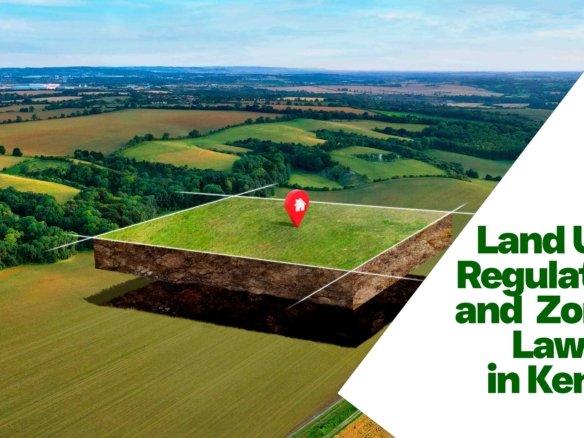
Buying Land: The Foundation of Long-Term Wealth
Land is the “quiet” builder of generational wealth. It remains a low-maintenance, high-appreciation asset that serves as a cornerstone for many investment portfolios.
The Pros
- Unmatched Appreciation: Because land is finite, it historically outperforms most other asset classes. In growth corridors like Kitengela, Ruiru, and Tatu City, land has shown consistent value growth.
- Control and Flexibility: When you own the land, you decide when to build and what to build. You are not beholden to a body corporate or the management decisions of a building owner.
- Collateral Stability: Banks and SACCOs prefer land as collateral. If you are looking to unlock capital for other ventures, land is your most powerful financial springboard.
The Challenges
- Lower Liquidity: Land is not a “quick cash” asset. If you need to liquidate your investment in an emergency, you may find that finding the right buyer takes time.
- Active Due Diligence Required: In Kenya, land fraud remains a risk. You must always conduct thorough searches on the ArdhiSasa platform and engage professional agents to verify title authenticity.
Buying an Apartment: The Income-Generating Asset
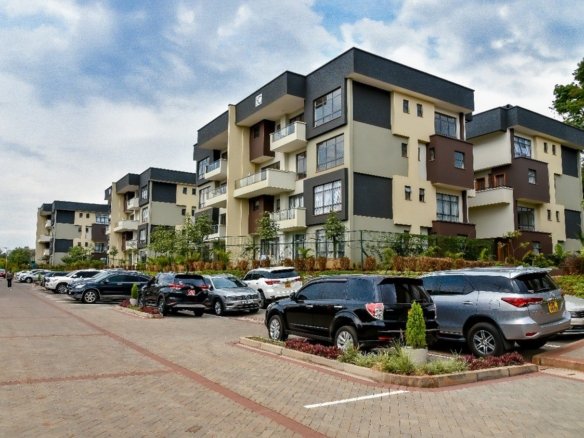
For young professionals, first-time investors, or those focused on monthly cash flow, apartments are often the more attractive entry point.
The Pros
- Immediate Rental Yields: Unlike raw land, an apartment can be put on the market as a property for rent immediately upon acquisition, providing a steady stream of income.
- Lower Upfront Cost: Apartments in prime city-fringe locations are often more accessible to buyers than the high cost of acquiring and developing a standalone house.
- Managed Convenience: Modern developments offer security, backup power, water storage, and fitness facilities—amenities that would be costly to replicate on a standalone plot.
The Challenges
- Service Charges: A hidden cost that impacts long-term ROI. Over 20 years, service charges can accumulate to a significant percentage of the purchase price.
- Shared Ownership: Under the Sectional Properties Act, you own a share of the building. You are subject to the rules of the body corporate, which can restrict your freedom to renovate or make structural changes.
- Market Saturation Risk: Buying in an area with an oversupply of similar units can stagnate your rental yield and appreciation.
Comparative Analysis: Which Fits Your Goals?
| Feature | Land | Apartment |
| Primary Goal | Long-term capital growth | Immediate rental income |
| Management | Minimal | High (Tenants, repairs, fees) |
| Liquidity | Medium (Slow exit) | Medium-High (Fast exit) |
| Flexibility | Full control | Limited by building rules |
| Maintenance | Low | High (Service charges) |
Who Should Buy Land?
- Investors focused on retirement planning.
- Diaspora investors seeking low-maintenance, tangible assets in Kenya.
- Individuals looking for the flexibility to build a custom family home eventually.
Who Should Buy an Apartment?
- Young professionals living near the city center.
- Investors seeking diversification and regular monthly income.
- Buyers who prioritize “lock-and-leave” convenience and security.
Making the Right Decision with Urban Nexus Realty
Whether you choose land or an apartment, the key to success in 2026 is strategy over speculation. You don’t have to navigate this decision alone.
- Expert Vetting: Our value property selection is rigorously vetted to ensure clear titles and sound investment potential.
- Agent Expertise: Our agents provide the ground-level insights—like traffic patterns, local amenity growth, and developer track records—that broad market reports often miss.
- End-to-End Support: From identifying the perfect property for sale to managing your property for rent, we help you at every stage of the process.
Ready to build your future?
Do not let indecision hold you back from one of the most stable investment environments in East Africa. Our team is ready to guide you through the latest market opportunities.
Contact our professional team today to start a conversation about your 2026 investment portfolio. For a wider network of industry expertise, you can also explore our verified real estate agencies partners.
Your property, our priority—at Urban Nexus Realty.


Join The Discussion