
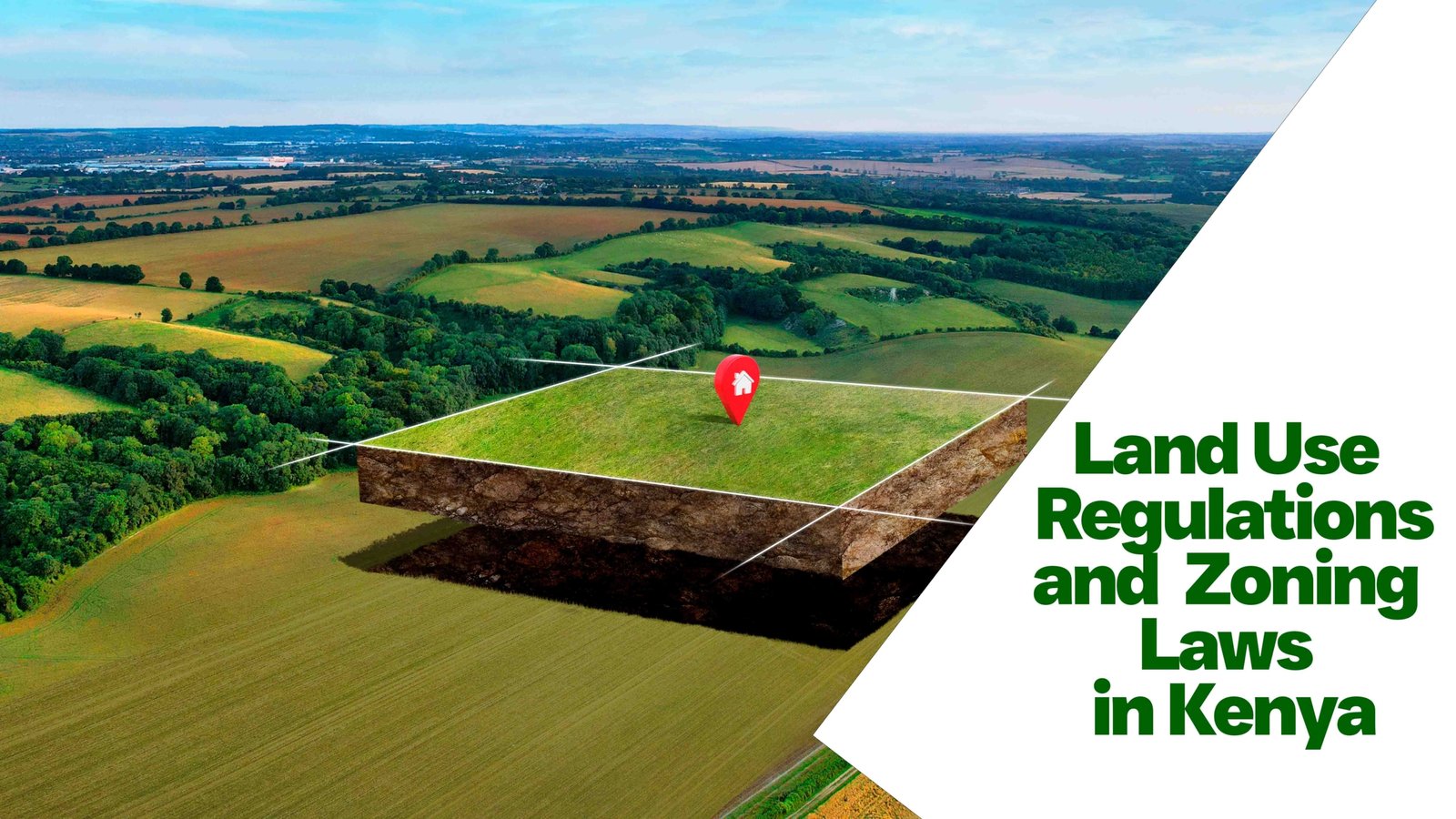
For many property owners in Nairobi, the vision of transforming a quiet residential plot into a bustling commercial hub is a compelling investment strategy. The allure is understandable: commercial properties often command higher rental yields and exhibit more significant long-term appreciation than their residential counterparts. However, in the complex world of urban planning, you cannot simply open a shop or build an office block because the market demand exists. You must first navigate the labyrinth of zoning regulations.
At Urban Nexus Realty, we frequently receive inquiries from investors eager to re-purpose their land. Whether you are holding a value property that you believe is “under-utilized” or you are scouting for properties for sale with the intent to rezone, understanding the “Change of User” process is essential.
1. What is Zoning and Why Does It Matter?
Zoning is the regulatory framework used by the Nairobi City County to manage urban growth. It categorizes land into specific uses—Residential, Commercial, Industrial, Institutional, and Agricultural—to ensure that our city remains livable, safe, and efficient.
If you attempt to operate a business in a zone strictly designated for single-family homes, you face serious risks:
- Stop-Work Orders: County officials have the authority to halt construction immediately.
- Fines and Legal Action: Persistent violation of zoning laws can lead to heavy penalties.
- Forced Demolition: In extreme cases of illegal development, the county can order the removal of structures that do not comply with planning ordinances.
- Ineligibility for Financing: Banks and financial institutions will rarely lend against a project that lacks the necessary planning approvals, as it is viewed as an unviable, high-risk asset.
2. The “Change of User” Process: A Step-by-Step Guide
If your proposed project does not align with the current zoning of your plot, you must apply for a Change of User. This is a formal legal process under the Physical and Land Use Planning Act (PLUPA), 2019.
Step 1: Engage a Registered Physical Planner
You cannot navigate this alone. A licensed physical planner is your primary consultant. They are responsible for preparing a Planning Brief—a detailed report that justifies why your proposed commercial use is appropriate for the area, evaluates traffic impact, and confirms infrastructure capacity.
Step 2: Public Notification
Transparency is a core requirement. You are required to:
- Place an on-site notice on your property.
- Advertise your intention in at least two national daily newspapers.This allows neighbors or other stakeholders a 14-day window to raise objections. If your commercial plan threatens the privacy or quality of life in a residential estate, objections are common and can derail the process.
Step 3: Submission of the Application
Through the ArdhiSasa platform or the County Physical Planning Department, your planner submits the application (PPA1 form) accompanied by:
- Title deed and official search.
- Survey plans.
- The Planning Brief.
- Proof of newspaper and site notices.
- Land rates clearance certificates.
Step 4: Technical Review and Site Inspection
County technical committees will review your application against existing local physical development plans. They will assess whether the area’s infrastructure—roads, sewer lines, and water—can handle the increased traffic and density a commercial development brings.
Step 5: Approval and Registration
If successful, you receive a PPA2 (Development Permission). This is not the end; you must then register this change with the National Land Commission and the Land Registry to ensure your title deed officially reflects the new land use.
3. Reality Check: Can Every Plot be Rezoned?
Not every residential plot is a candidate for conversion. Before you invest in a property for rent with the hope of rezoning it, consider these “Make or Break” factors:
- Infrastructure Capacity: If the local sewer lines or road widths are insufficient to handle commercial traffic, your application will likely be denied regardless of how good your business plan is.
- Zoning Precedents: Check the local Physical Development Plan. If the entire area is strictly protected as a low-density residential zone, the county is unlikely to grant a change of user, as it would set a precedent that could degrade the neighborhood.
- Setbacks and Coverage: Even if you get approval for a commercial use, you must still adhere to “Development Control” regulations, such as minimum setbacks from the road, parking requirements (which are much higher for commercial buildings), and height restrictions.
How Urban Nexus Realty Supports Your Vision
Deciding to rezone land is a high-stakes financial decision. Our agents and our network of professional agencies work to ensure that you have all the facts before you commit your capital.
- Feasibility Advisory: We help you assess whether a plot has the potential for rezoning based on current market trends and infrastructure status.
- Professional Networking: We can connect you with registered physical planners and legal experts who specialize in land-use litigation and applications.
- Strategic Sourcing: If you are looking for land, we help you identify parcels that are already zoned for mixed-use or commercial development, saving you the time, cost, and uncertainty of the change-of-user process.
Considering a commercial project?
Don’t gamble with your investment. Contact Urban Nexus Realty today. Let our team provide the expertise needed to determine if your plot can truly become the next landmark in your business journey.



Join The Discussion