
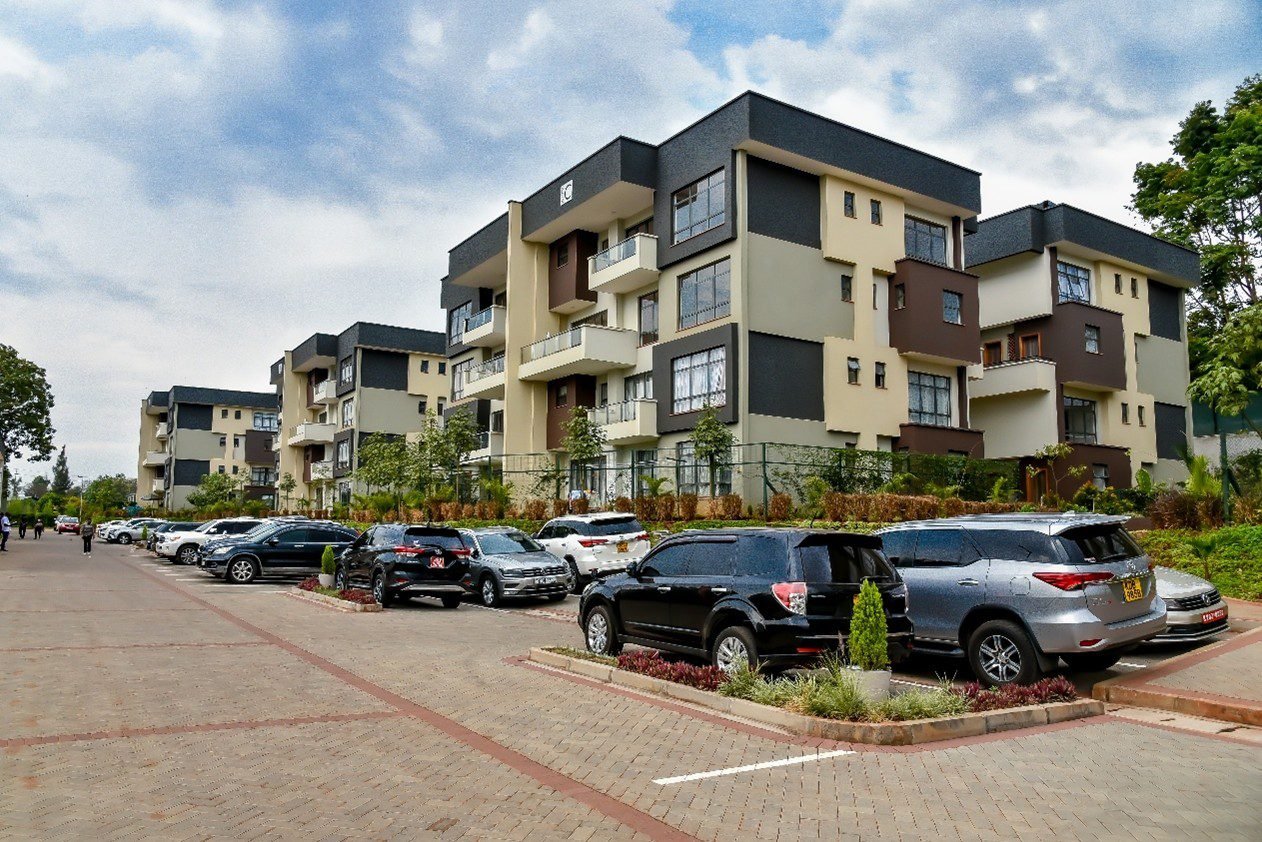
In the boardrooms of Nairobi’s leading developers and on the construction sites of emerging satellite towns, a fundamental shift is taking place. Sustainability is no longer a “marketing add-on” or a niche concern for environmentalists—it has moved to the core of the Kenyan construction industry. As we look at the real estate landscape in 2026, it is clear that green building is not just a trend; it is the new blueprint for long-term asset value.
At Urban Nexus Realty, we believe that understanding this shift is critical for both investors and homeowners. Whether you are looking for a value property that will hold its worth for decades or browsing properties for sale to diversify your portfolio, “green” is the new standard of excellence.
The “Green” Mandate: Why 2026 is a Turning Point
The movement toward sustainable construction in Kenya is being driven by a powerful convergence of government policy, investor demand, and financial incentives. The launch of the Kenya National Buildings & Construction Decarbonization Roadmap (2026–2040) signals a decisive policy shift: Kenya is building for the future, and that future is decarbonized.
1. Certification as a Financial Tool
One of the most important realizations in the market today is that green certification (such as EDGE or LEED) is not just an environmental credential—it is a financing tool. Lenders are increasingly offering preferential interest rates for developments that meet strict sustainability criteria. By labeling a building as “green,” developers gain access to cheaper capital, which in turn makes the project more competitive.
2. Operational Efficiency = Higher Yields
For those managing properties for rent, sustainability is a direct driver of profitability. Green buildings are designed to minimize resource intensity:
- Energy Efficiency: Through passive cooling designs, smart insulation, and solar integration, these homes drastically reduce electricity bills.
- Water Conservation: With rainwater harvesting and greywater recycling becoming standard in sustainable developments, landlords can significantly reduce operational overheads while attracting eco-conscious tenants.
The Pillars of the Kenyan Green Home
What does a “green home” actually look like in the context of Kenya’s climate and resources? It’s not just about solar panels; it’s a holistic approach to design and material science.
- Materials with a Soul: There is a growing shift toward locally sourced, low-carbon materials. Bamboo, compressed earth blocks, and low-clinker cement blends are moving from experimental to mainstream, reducing the “embodied carbon” of every new build.
- Passive Design: Smart architecture is replacing the need for energy-heavy air conditioning. By optimizing building orientation, window placement, and natural ventilation, architects are creating indoor spaces that remain comfortable year-round using nature, not machines.
- Waste as a Resource: The National Construction and Demolition Waste Management Strategy is pushing the industry toward a circular economy. Modern developments are now designing for waste separation and recycling at the site level, diverting thousands of tonnes of debris from municipal landfills.
Why Investors Should Care
If you are an investor, the “green premium” is becoming a tangible reality. Sustainable properties are showing higher occupancy rates and stronger resale value for three key reasons:
- Future-Proofing: As building codes tighten (with phased revisions starting in 2026), conventional buildings risk becoming “brown assets” that may require costly retrofits to remain compliant or attractive to future buyers.
- Attracting Corporate Tenants: Multinational corporations, now bound by global ESG (Environmental, Social, and Governance) targets, are actively seeking out office spaces and executive housing that meet green standards.
- Resilience: Green buildings are designed to be more resilient to environmental challenges—such as water scarcity or power instability—ensuring they remain functional and valuable even when the grid or public water systems are strained.
Navigating the Green Transition
If you find the shift toward sustainability overwhelming, you aren’t alone. Transitioning from traditional to green real estate requires a new set of data points and expertise.
- For Buyers: Look for properties that showcase their resource efficiency. Ask for energy performance ratings, inquire about the source of building materials, and look for certifications that prove the project’s green claims.
- For Investors: Our agents can help you audit your portfolio to identify assets that may need upgrades or help you source new properties from agencies that prioritize sustainable development.
Ready to build a sustainable future?
The future of Kenyan real estate is lean, green, and resilient. Don’t wait for the market to move without you. Whether you are looking to divest from inefficient assets or want to be among the first to capitalize on the next wave of green investment, contact Urban Nexus Realty today. Let’s discuss how you can build a portfolio that isn’t just profitable today, but sustainable for generations to come.


Join The Discussion