

In the Nairobi real estate market of 2026, the strategy for achieving high returns has shifted. Gone are the days of broad speculation where any plot on the outskirts of the city guaranteed a windfall. Today, the most successful investors are those who view Nairobi not as a single market, but as a collection of micro-markets, each driven by specific infrastructure and demographic indicators.
Whether you are seeking a value property for long-term growth or a high-yield asset to list as a property for rent, identifying “the next big thing” in the suburbs requires a disciplined, data-driven approach.
1. Follow the Infrastructure, Not Just the Map
Infrastructure is the single most reliable leading indicator of property value growth in Nairobi’s satellite towns. In 2026, areas experiencing the most rapid appreciation are those linked to the city by strategic transport upgrades.
- The Expressway & Bypass Effect: Look for suburbs within a 10-to-15-minute radius of the Nairobi Expressway exits or the major bypasses (Eastern, Northern, and Southern). These roads have effectively “shrunk” Nairobi, making previously distant areas viable for daily commuters.
- Public Transit Corridors: Proximity to the growing Commuter Rail network and proposed Bus Rapid Transit (BRT) routes is a major value-add. Tenants—especially young professionals—are increasingly prioritizing locations where they can avoid traffic congestion by using public transport.
- The “Last Mile” Utility: An area might have a new tarmac road, but does it have reliable water from a local provider or a borehole? Are there established fiber-optic internet providers? These are non-negotiable for modern tenants and drastically impact your ability to command premium rents.
2. Demographic Demand: Who Lives There?
A property is only as valuable as the demand for it. High-return investments in Nairobi’s suburbs are driven by three distinct tenant profiles:
- The Young Professional: Typically looking for compact, tech-enabled 1- and 2-bedroom units. They prioritize security, Wi-Fi, and proximity to major office nodes like Westlands or Kilimani. If a suburb is seeing an influx of co-working spaces and trendy retail, it’s a sign this demographic is arriving.
- The Growing Family: These buyers prioritize space, safety, and access to international schools. Suburbs like Karen, Runda, or emerging “family-friendly” nodes in Kiambu County are prime targets for this group.
- The Diaspora and Expatriate Market: This group seeks convenience. They favor managed estates with “hotel-style” amenities—backup power, gyms, and professional property management.
Actionable Tip: Before purchasing, speak to local agents in the area. Ask them: “What is the average time-to-let for a unit like this, and what is the typical tenant profile?” If they can’t answer, look elsewhere.
3. The “Amenity Premium”
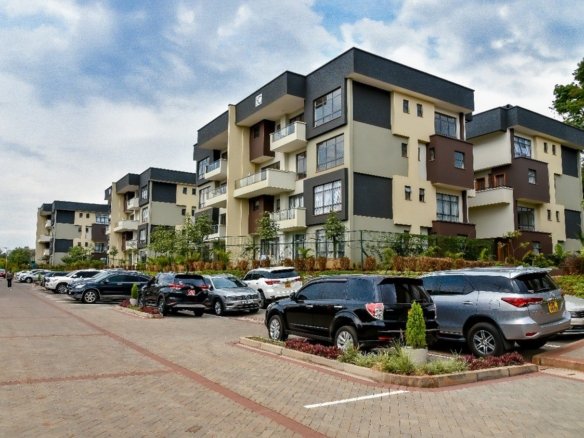
In 2026, square footage is no longer the only metric that matters. Modern buyers and tenants pay a significant premium for managed infrastructure. Investors who target developments with the following “Amenity Premium” features consistently outperform the market:
- Backup Power: A non-negotiable feature given Nairobi’s grid variability.
- Water Security: Managed borehole systems with adequate storage.
- Smart-Home Ready: Infrastructure for digital locks, smart lighting, and high-speed fiber connectivity.
- Community Management: A well-governed Homeowners’ Association (HOA) prevents the neighborhood decay that can tank property values over time.
4. Avoiding the Oversupply Trap
One of the biggest risks in Nairobi’s suburbs is the “copycat developer” syndrome. When a suburb becomes popular, developers often rush to build identical apartments, leading to a glut that depresses rental yields.
- Look for Underserved Niches: If an area is saturated with 3-bedroom units, consider investing in a high-quality 1-bedroom unit. It will likely stand out and command higher demand.
- Check the Pipeline: Use tools like Google Earth or local council planning notices to see if there are 20 other construction sites on the same street. If there are, rental competition will be fierce.
How Urban Nexus Realty Helps You Spot the Winners
At Urban Nexus Realty, we specialize in cutting through the market noise to help our clients find assets with genuine growth potential.
- Expert Vetting: Our agents perform ground-level due diligence, ensuring that every value property we list is backed by solid infrastructure and proven rental demand.
- Comprehensive Insight: We don’t just sell you a unit; we provide the market context—from upcoming road developments to local demographic shifts—to ensure your investment makes sense for the long term.
- Strategic Partnerships: We work with a network of the most reputable real estate agencies to ensure you have access to a wide range of opportunities while maintaining the highest standard of verification.
Conclusion: Start Your Search Today
The Nairobi suburbs of 2026 are not a monolith. There is a massive performance gap between “average” suburban developments and those that leverage infrastructure and demographic demand to deliver 8–12% yields.
Whether you are looking for property for sale or a managed investment that works while you sleep, our team is ready to help you navigate this complex, high-opportunity market.
Ready to identify your next high-return investment?
Contact our professional team today. Let us help you turn market data into your competitive advantage.
Your property, our priority—at Urban Nexus Realty.



Join The Discussion