
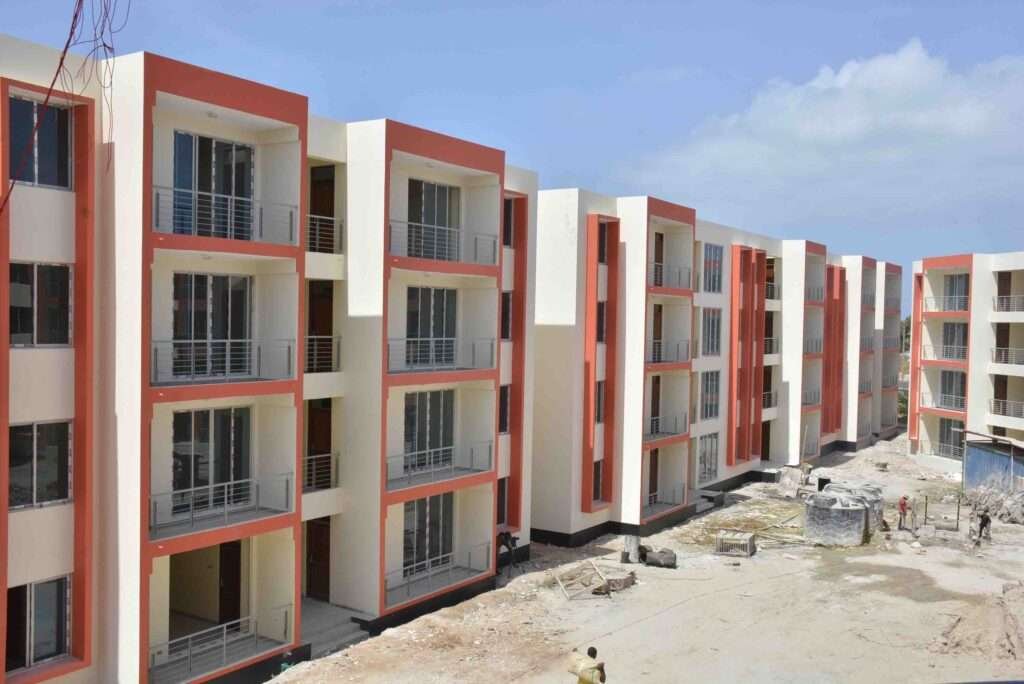
The landscape of Kenyan real estate has been fundamentally reshaped by the government’s Affordable Housing Program. For the savvy investor, this shift represents more than just a social initiative; it is an emerging asset class with unique risks and rewards. Whether you are looking for a value property that offers long-term stability or an asset to generate consistent cash flow as a property for rent, understanding the nuances of these projects is essential.
Unlike traditional real estate, affordable housing developments are often governed by specific regulations, income-based criteria, and social mandates. To ensure your capital is protected and your returns are optimized, here is what you need to look for before committing.
1. Location and Infrastructure Readiness
The success of any affordable housing project is inextricably linked to its location. An “affordable” price tag is meaningless if the unit is located in an area with no access to employment nodes, schools, or reliable transport.
- Proximity to Transit: Look for projects near the Nairobi Expressway, Northern/Southern Bypasses, or upcoming Bus Rapid Transit (BRT) corridors. Accessibility is the primary driver of tenant demand and future capital appreciation.
- The “Amenity” Factor: Does the project include, or have proximity to, essential social infrastructure like health centers, police posts, and green spaces? Under the current Affordable Housing Regulations, comprehensive estate planning is a requirement, but you must verify that these promised social amenities are part of the master plan and not just marketing concepts.
- Utility Reliability: Verify the presence of sustainable water sources (e.g., dedicated boreholes) and reliable power infrastructure. In the satellite towns where many of these projects are located, service reliability is the difference between a high-occupancy unit and a vacant one.
2. Developer Due Diligence and Track Record
Affordable housing projects are often executed via Public-Private Partnerships (PPPs). Not all developers possess the capacity to manage the scale and complexity of these high-density developments.
- Past Performance: Investigate the developer’s history. Have they delivered on their previous timelines? Are there ongoing disputes regarding construction quality or title deed issuance?
- Regulatory Compliance: Ensure the project has all necessary approvals: NEMA (Environmental Impact Assessment), NCA (National Construction Authority), and County physical planning approvals. A common red flag is a project that breaks ground without a clear, public path to obtaining an Occupation Certificate.
- Financial Health: For off-plan investments, ensure that the developer has a transparent escrow mechanism to protect your deposits.
3. The Legal and Regulatory Framework
Investment in this sector is highly regulated to prevent speculation and ensure units reach their intended beneficiaries.
- Restriction on Sale: Be aware that affordable housing units are often “restricted assets.” For instance, under current regulations, there is often a 5-year post-payment holding period before a unit can be sold, and it must often be sold to other eligible Kenyans. This makes these units poor vehicles for short-term “flip” speculation, but excellent for long-term “buy-and-hold” income strategies.
- Title and Tenure: Verify the structure of the ownership. Is it a freehold title or a long-term leasehold? Confirm that the Sectional Properties Act is being strictly followed, ensuring that you receive a proper title deed for your specific unit rather than a generic share certificate.
- Management Structure: A high-density project with poor management becomes an eyesore within years, destroying your asset’s value. Review the proposed management agreement and the anticipated service charge structure.
4. Financial Viability and Payment Structures
The government has introduced tiered interest rates and financing models, but your personal financial due diligence remains paramount.
- Income-Based Eligibility: These projects are categorized by income brackets (Social, Affordable, and Middle-Class). Ensure you understand which pool your target investment falls into, as this affects the financing terms and the potential tenant profile if you intend to rent it out.
- Total Acquisition Cost: Don’t just look at the unit price. Account for stamp duty (note that first-time homebuyer exemptions may apply), legal fees, valuation costs, and the service charge deposit. Our agents can provide a breakdown of these costs so you have a realistic view of your total investment.
How Urban Nexus Realty Supports Your Investment
Navigating the affordable housing sector requires local market intelligence that goes beyond official brochures. At Urban Nexus Realty, we bridge the gap between project marketing and the reality on the ground.
- Vetted Opportunities: We maintain a curated list of property for sale options that have undergone rigorous due diligence regarding their legal and construction status.
- Expert Consultation: Our team works alongside a network of specialized real estate agencies to ensure you receive independent, unbiased advice on project viability.
- Full-Service Support: Whether you are an individual investor or seeking to diversify your portfolio, we provide the documentation review and market analysis needed to make an informed decision.
Ready to evaluate your next investment in the affordable housing sector?Contact our professional team today. Let us help you identify the opportunities that offer the best balance of security and growth in Nairobi’s evolving real estate market.
Your property, our priority—at Urban Nexus Realty.



Join The Discussion