

For anyone navigating the Kenyan real estate market, understanding the distinction between freehold and leasehold land is the most fundamental step in due diligence. Whether you are searching for value property or browsing property for sale, the type of tenure you choose dictates not just your ownership rights, but your long-term financial freedom and inheritance planning.
In this guide, we break down these two systems so you can make an informed decision for your next real estate acquisition.
1. Freehold Land Tenure: The Gold Standard of Ownership
Freehold tenure is the most comprehensive form of land ownership in Kenya. It grants the holder “absolute proprietorship,” meaning you own the land indefinitely.
Key Characteristics
- Perpetual Ownership: There is no expiry date. You own the land forever, and it can be passed down to your heirs indefinitely.
- Full Control: As a freehold owner, you have the greatest level of freedom to develop, subdivide, or modify the property, subject only to general county zoning laws and environmental regulations.
- No Annual Rent: You are not required to pay “ground rent” to the government. You only pay standard county land rates, just like any other property owner.
- Exclusivity: Under Article 65 of the 2010 Constitution, freehold land in Kenya can only be held by Kenyan citizens.
Best For:
- Investors seeking maximum long-term security.
- Homeowners planning to build a permanent family estate to be passed down through generations.
- Buyers who want to avoid the “ticking clock” of lease expiry.
2. Leasehold Land Tenure: The Urban Standard
Leasehold tenure is essentially a “long-term rental” arrangement with the government or a head-landlord. You are granted the right to use and occupy the land for a specific, fixed period—most commonly 99 years.
Key Characteristics
- Fixed Duration: Ownership is time-limited. Once the lease expires, the land technically reverts to the lessor (usually the government).
- Annual Ground Rent: As a leaseholder, you are often required to pay annual ground rent to the government or the head-lessor, in addition to standard county land rates.
- Usage Restrictions: Leasehold agreements often come with specific “permitted use” clauses (e.g., residential only). If you wish to change the use (e.g., from residential to commercial), you must apply for formal government consent.
- Inclusivity: Unlike freehold, leasehold land can be held by both Kenyan citizens and non-citizens (foreigners are limited to a maximum of 99 years).
Best For:
- Investors targeting prime urban centers (most of Nairobi’s Central Business District and satellite towns are leasehold).
- First-time buyers looking for more affordable entry points into the market.
- Developers building apartments or commercial complexes.
Comparative Analysis: Freehold vs. Leasehold
| Feature | Freehold | Leasehold |
| Duration | Perpetual (No expiry) | Fixed (e.g., 99 years) |
| Ground Rent | None | Payable annually |
| Control | Absolute | Subject to lease terms |
| Who Can Own | Kenyan citizens only | Citizens and non-citizens |
| Common Location | Rural areas, some suburbs | Prime urban centers |
| Bank Financing | Highly preferred by lenders | Accepted (subject to unexpired term) |
Key Considerations for Buyers
The “Unexpired Term” Trap
If you are buying a leasehold property, always check the unexpired lease term. If a 99-year lease was granted in 1950, it has only 23 years remaining in 2026. This drastically affects the property’s value and your ability to secure a long-term mortgage. Banks typically prefer leases with at least 50+ years remaining.
Lease Renewal
When a lease approaches expiry, you must apply to the National Land Commission (NLC) for a renewal. While usually granted, renewal is not automatic and comes with fees, potential new conditions, and administrative hurdles. Always engage a professional agent or lawyer to check the status of a lease before committing.
Sectional Titles for Apartment Owners
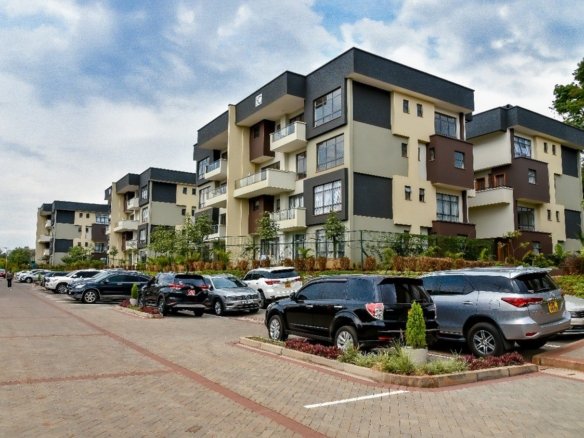
If you are buying an apartment, you aren’t usually buying the land directly; you are buying a “unit” on that land. Look for developments that offer Sectional Titles. This gives you a more independent, secure form of ownership compared to the older “sub-lease” models, where your security is dependent on the developer’s head lease.
How Urban Nexus Realty Supports Your Decision
Whether you are choosing between freehold and leasehold, the most important step is due diligence.
- Vetting Titles: Our team works with reputable real estate agencies to ensure every value property we present has a clean, verified title.
- Expert Guidance: Our agents can explain the specific tenure implications for the neighborhoods you are considering.
- Comprehensive Support: From verifying the unexpired years on a lease to checking for encumbrances, we ensure you know exactly what you are buying.
Still unsure which tenure suits your goals?
Contact our professional team today. Whether you are looking for property for sale or property for rent, we are here to provide the clarity you need to invest with confidence.
Your property, our priority—at Urban Nexus Realty.


Join The Discussion