
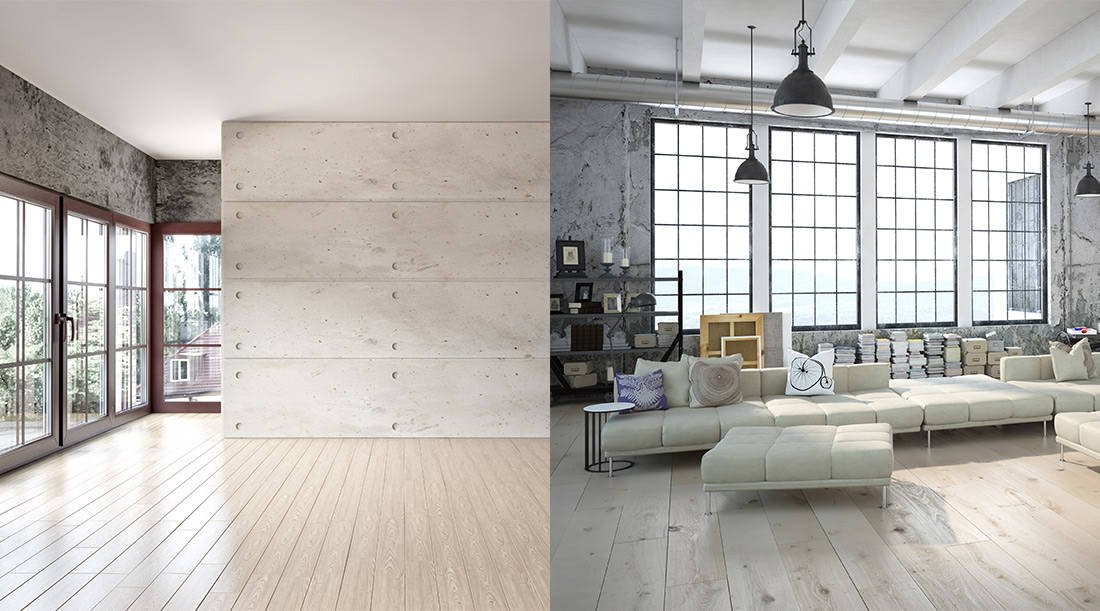
In the dynamic Nairobi real estate market, one of the most frequent debates among property owners is whether to rent out a unit as “furnished” or “unfurnished.” It’s a decision that fundamentally changes the nature of your investment—moving you from a passive landlord to an active service provider.
At Urban Nexus Realty, we analyze data from across the Nairobi Metropolitan Area to help our clients choose the strategy that maximizes their net yield. Whether you are looking for a value property to add to your portfolio or deciding how to list your current property for rent, this guide will help you decode the numbers.
1. The Revenue Potential: Why Furnished Commands a Premium
It is no secret that furnished apartments in Nairobi command significantly higher rents—often 30% to 50% more than unfurnished equivalents in the same building.
Why Tenants Pay More:
- Convenience: For expatriates, corporate consultants on short-term contracts, and young professionals who frequently move, the “turn-key” nature of a furnished home is worth a massive premium.
- Short-Term Flexibility: Furnished units cater to the high-demand Airbnb and serviced apartment market, where daily or weekly rates are significantly higher than traditional long-term monthly rentals.
- The “All-In” Appeal: By providing everything from cutlery to high-speed internet, you remove the “friction” of moving, making your unit more attractive than the vacant, “cold” apartment next door.
2. The Cost Reality: Don’t Confuse Revenue with Profit
If furnished units earn 40% more rent, does that mean they are 40% more profitable? Not necessarily. The “Furnished Premium” is often offset by “Hidden Operating Costs.”
- Upfront Capital Expenditure (CapEx): Furnishing a 1-bedroom unit to a standard that justifies premium rent can cost anywhere from KES 500,000 to over KES 1,000,000.
- Faster Depreciation: Furniture in a rental unit faces heavy usage. Expect to replace soft furnishings (sofas, mattresses, linens) every 3–5 years.
- Higher Management Intensity: Furnished rentals are not “set and forget.” You will deal with more maintenance requests, appliance servicing, and the need for professional deep cleaning between every tenant.
- Insurance and Risk: You are essentially running a business, not just holding an asset. You need comprehensive insurance to cover contents, and your security deposit expectations must be higher to guard against accidental damage to your items.
3. Matching Your Property to the Tenant Pool
The “best” strategy is usually dictated by your location and unit size.
Where Furnished Wins:
- Corporate Hubs: Areas like Westlands, Upper Hill, Kilimani, and Riverside are hotspots for expatriates and consultants who prioritize proximity to multinational offices.
- Smaller Units: Studios and 1-bedroom apartments often perform best as furnished units. They cater to mobile professionals who don’t want to transport bulky furniture.
- Strategic Proximity: Properties near the UN complex in Gigiri or business parks near JKIA thrive on the “serviced apartment” model, where tenants expect hotel-style convenience.
Where Unfurnished Wins:
- Family Zones: Large 3 or 4-bedroom homes in Karen, Lavington, or Runda are better suited for unfurnished rentals. Long-term family tenants usually own their own furniture and prefer the stability of a “blank canvas” that they can call home for years.
- Low-Maintenance Needs: If you live outside Nairobi or prefer a passive investment model, unfurnished units are far easier to manage. The tenant is responsible for their own furniture, which reduces your maintenance workload and capital risk.
4. The ROI Calculation: A Practical Look
Smart investors don’t just look at the monthly rent; they look at net yield.
Pro Tip: Look for “commercial-grade” furniture from hotel or corporate liquidations. By sourcing quality second-hand items, you can reduce your upfront CapEx by 20%–30%, which significantly shortens the time it takes to recoup your investment and start earning pure premium profit.
| Metric | Unfurnished | Furnished |
| Initial Outlay | Low (Minimal fixtures) | High (Furniture + Appliances) |
| Occupancy | Long-term (More stable) | Short-to-Medium (Higher turnover) |
| Management | Minimal | High (Cleaning, Servicing) |
| Net Income | Steady, predictable | High volatility, high premium |
How Urban Nexus Realty Can Help You Decide
Deciding between these two models requires a look at your specific unit and neighborhood. We help our clients run a five-year projection to see which strategy nets the most cash in their pocket.
- Market Analysis: Our agents can tell you exactly what demand looks like in your specific building or street.
- Tenant Sourcing: Whether you want to attract a 3-year family lease (unfurnished) or a 6-month corporate contract (furnished), we have the agencies and tools to find your ideal tenant.
- Due Diligence: If you are buying a property for sale to convert into a furnished rental, we’ll help you verify the building’s rules—some estates have strict bylaws regarding short-stay rentals (Airbnb) that you must know about before investing.
Ready to maximize your rental income?
Stop guessing and start calculating. Contact Urban Nexus Realty today for a personalized rental strategy session. Let’s evaluate your unit and build a plan that maximizes your yield while minimizing your headache.



Join The Discussion