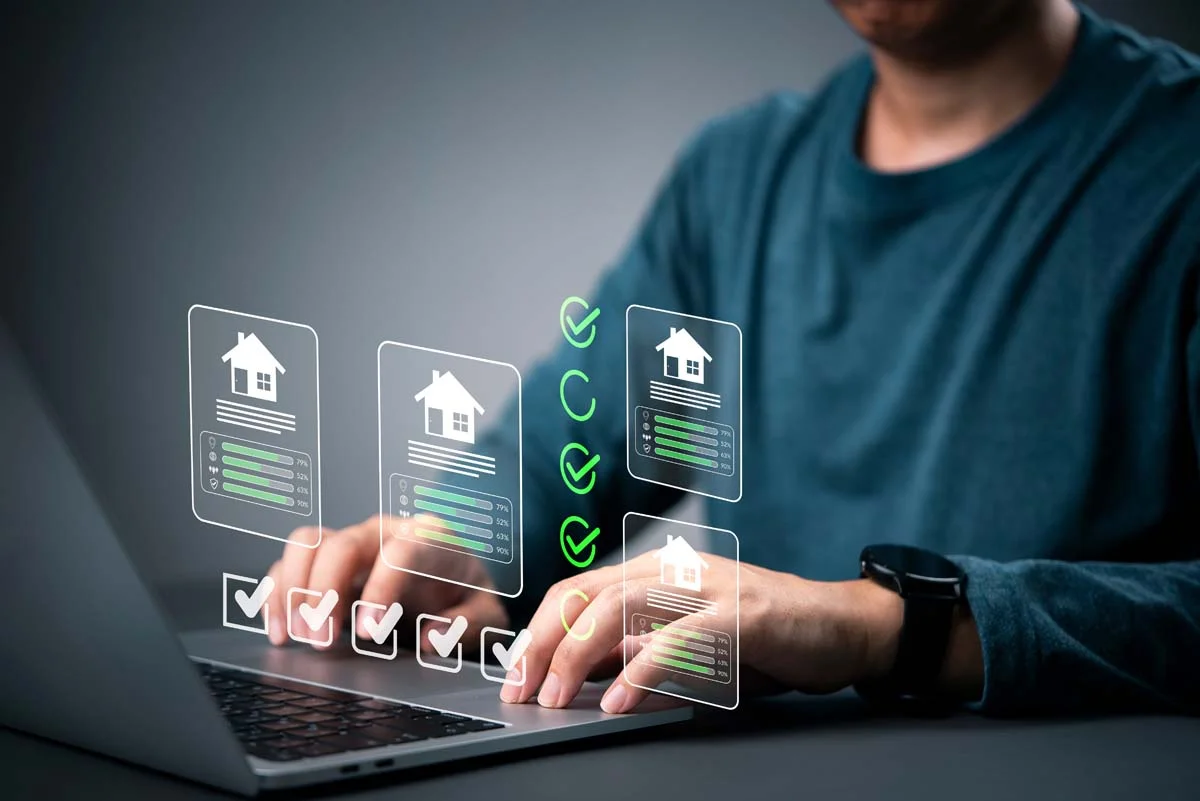
In the modern real estate market, geographic distance is no longer a barrier to property investment. Whether you are living in the diaspora or simply juggling properties across different counties, managing a portfolio from afar has evolved from a logistical challenge into a streamlined, tech-enabled process.
At Urban Nexus Realty, we believe that successful remote property management is built on three pillars: automation, digital oversight, and strategic local partnerships. If you own a value property or are looking to expand your portfolio with properties for sale, here is how you can stay in control without being on the ground.
1. The Power of Automated Rent Collection
The biggest risk to remote management is manual cash handling. When rent collection depends on physical handovers or unreliable manual tracking, transparency vanishes.
- Go Digital-First: Integrate M-Pesa Paybill numbers directly into your property management system. This ensures that every payment is automatically recorded, time-stamped, and linked to a specific unit.
- Automated Reminders: Use property management software—such as Nyumba Zetu, EstateAdmin, or Pangoni—to send automated payment reminders to tenants. This removes the need for you to personally chase late rent, preserving the landlord-tenant relationship.
- Digital Invoicing: Generate and deliver digital invoices automatically. A system that issues an e-receipt immediately upon payment provides tenants with confidence and keeps your financial records audit-ready for KRA compliance.
2. Leverage Property Management Software (PMS)
Modern Kenyan real estate is supported by powerful digital tools. A good PMS serves as your “central nervous system.”
- Real-Time Dashboards: Choose a system that provides a live dashboard view of your entire portfolio. You should be able to see at a glance who has paid, who is in arrears, which units are vacant, and which leases are approaching expiry.
- Maintenance Tracking: Use platforms that allow tenants to log maintenance requests online. This keeps a digital paper trail of the issue, the work order assigned to your technician, and the final status report.
- Financial Reporting: Stop using spreadsheets. Use software that generates income statements, expense summaries, and rent rolls on demand. For tax purposes, ensure your platform is eTIMS-compliant, allowing you to generate valid tax documents effortlessly.
3. Communication Protocols
Distance can lead to misunderstandings. You must establish professional communication channels early.
- Define Your Channels: Stick to official channels like email or a dedicated tenant portal. While WhatsApp is common in Kenya, keep it for urgent, documented communication rather than general property management.
- Emergency Escalation Matrix: Clearly define what constitutes an emergency (e.g., burst pipes, security breaches) versus routine maintenance. Establish a spending limit—for example, your local contact can authorize repairs up to KES 20,000 without your prior approval, but anything above requires a quote and your written sign-off.
- Monthly Reviews: Schedule a recurring video call with your local representative or property manager. Review the month’s performance, discuss upcoming maintenance, and address any tenant concerns before they escalate.
4. Building a Local “Boots-on-the-Ground” Team
Technology manages data, but people manage physical property. You need a trusted local network.
- Vetted Maintenance Contacts: Maintain a list of trusted, vetted plumbers, electricians, and handymen. Don’t wait for a crisis to find them; interview them before you need them.
- Local Property Management Agencies: If you own multiple units, consider hiring a reputable management agency. They handle the daily tenant interface, unit inspections, and vendor management, saving you the stress of dealing with daily operational issues.
- Regular Physical Inspections: Even with the best software, nothing replaces a physical set of eyes. Require your local contact to conduct quarterly physical inspections, complete with dated photos of the interior and exterior of your units.
5. Compliance and Tax Oversight
Remote landlords often overlook the “boring” but critical administrative duties.
- KRA Compliance: Ensure you file your annual tax returns, even if you are submitting a nil return. Without a Tax Compliance Certificate (TCC), you may face challenges if you decide to sell your property in the future.
- Land Rates & Utilities: Automate the payment of land rates and ground rent. These are annual obligations that do not depend on occupancy, and missing them can lead to penalties that erode your profit margins.
- Document Everything: Keep digital copies of every lease, receipt, and maintenance contract in a secure, cloud-based drive (like Google Drive or Dropbox).
Why Urban Nexus Realty?
Managing property remotely is a business, not a hobby. If you find the administrative burden of being a landlord too high, we can help.
Whether you are seeking advice on how to structure your rentals or need a professional team to manage your portfolio, our agents are equipped to help you scale efficiently.
Ready to streamline your property management?
Don’t let distance dampen your ROI. Contact Urban Nexus Realty today for a consultation on how to optimize your portfolio for remote success. We provide the expertise you need to ensure your investments are managed with precision, transparency, and profitability.


Join The Discussion