
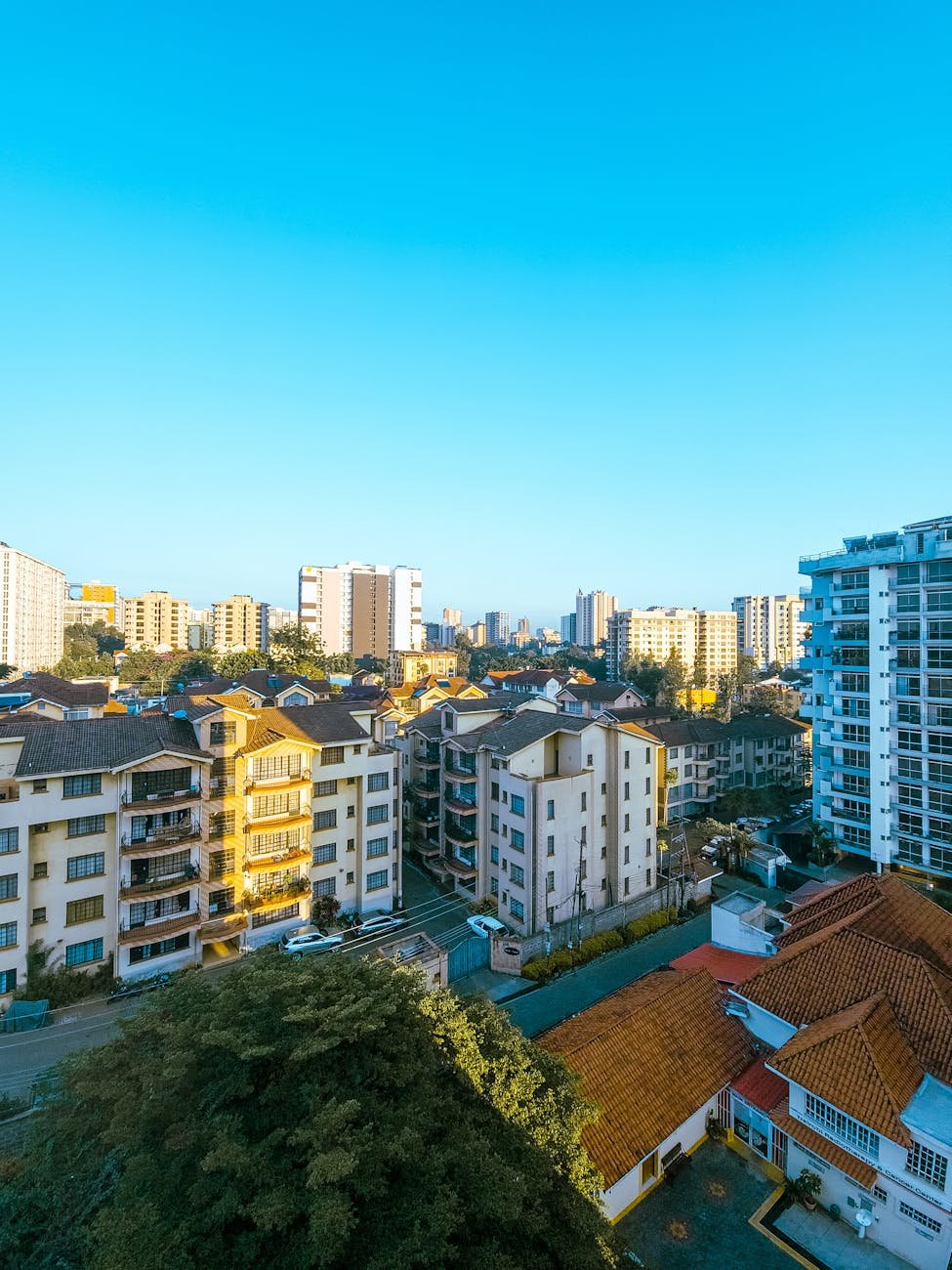
The Kenyan real estate landscape in 2026 is defined by a paradox. While annual inflation eased to 6.4% in June, the cumulative effects of previous quarters and sustained high costs in key sectors—particularly transport and construction—have fundamentally changed the rules of the game. For investors, homeowners, and tenants, “inflation” is no longer just a headline statistic; it is a structural force rewriting property values across Nairobi.
If you are currently evaluating your portfolio or considering a market entry, understanding how these economic pressures translate into physical asset performance is essential.
1. The Construction Cost Ripple Effect
The most immediate impact of inflation on real estate is the cost of delivery. With the prices of essential construction inputs—cement, steel, and imported finishes—remaining elevated, the cost to bring a new project to market has surged.
Developers are no longer able to absorb these costs, leading to a “floor” on property pricing. Even in areas where demand might be cooling, the replacement cost of a building provides a baseline that prevents prices from collapsing. For the buyer, this means that finding a genuine value property requires a shift in strategy: you are no longer just looking for a good price, but for a property that has been “future-proofed” against these rising delivery costs.
2. The Divergence: Prime Assets vs. The Rest
Inflation acts as a filter, separating resilient assets from vulnerable ones.
- The Suburban Rise: In established, low-density suburbs like Karen, Lavington, and Spring Valley, the scarcity of land and the rising cost of development are driving values upward. These properties are increasingly viewed as “inflation hedges”—tangible assets that hold their worth when currency purchasing power fluctuates.
- The Apartment Correction: Conversely, high-density apartment hubs that were over-developed during the last cycle are experiencing a “correction.” Inflationary pressure on household budgets means that tenants are becoming highly selective. If a property doesn’t offer modern amenities, reliable security, and proximity to infrastructure, it risks long vacancy periods.
This bifurcation is why listing a property for sale today requires a much more nuanced approach than in years past. Data-driven pricing is now the difference between a quick sale and a stagnant listing.
3. Rental Markets: Testing the Affordability Ceiling
Rental prices in Nairobi have reached historic highs as landlords pass on the costs of maintenance, utility management, and tax adjustments. However, we are now seeing an affordability “ceiling.”
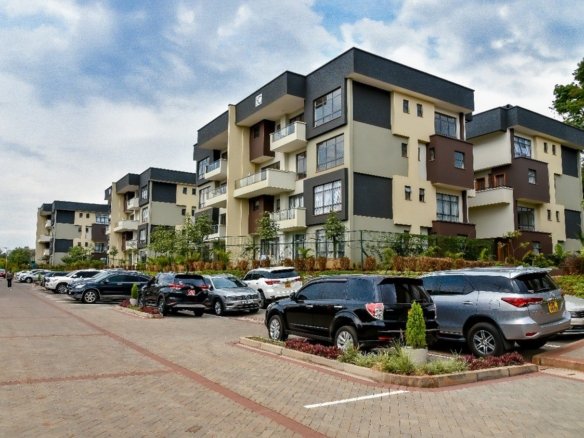
Tenants are increasingly monitoring their total cost of occupancy. They are moving away from properties where rental premiums cannot be justified by service delivery. For investors, the takeaway is clear: the era of “passive” landlording is over. To maintain yield in an inflationary environment, you must focus on properties that offer genuine value—such as managed gated communities with backup power and water security. If you have a property for rent, its performance now depends heavily on the quality of management and the total lifestyle experience it provides.
4. How to Strategy-Shift for 2026
In this economic climate, the old adage of “buy and hold” still applies, but the where and how have changed.
- Leverage Professional Insights: The complexity of the 2026 market means that general advice is often outdated. Our agents use real-time market data to identify which micro-markets are thriving despite inflationary pressure and which are showing signs of saturation.
- Evaluate Infrastructure Proximity: Inflation-resilient assets are almost always located in areas with superior infrastructure. Roads, water connectivity, and internet reliability act as multipliers for value that protect your investment against broader market volatility.
- Consult Experienced Partners: If you are unsure where your capital is safest, engage established agencies that prioritize long-term asset performance over quick, speculative wins.
Your Partner in a Changing Market
At Urban Nexus Realty, we understand that real estate in Kenya is moving from a speculative phase into a performance-driven era. Inflation is not just an obstacle; it is a catalyst for the market to mature, demanding higher standards from developers and smarter decisions from investors.
Are you ready to protect and grow your real estate portfolio?
The market rewards the prepared. Whether you are looking to acquire your next asset or optimize your current holdings, contact Urban Nexus Realty today. We provide the professional advisory, data-backed insights, and market access you need to navigate Nairobi’s evolving property landscape with confidence.


Join The Discussion