
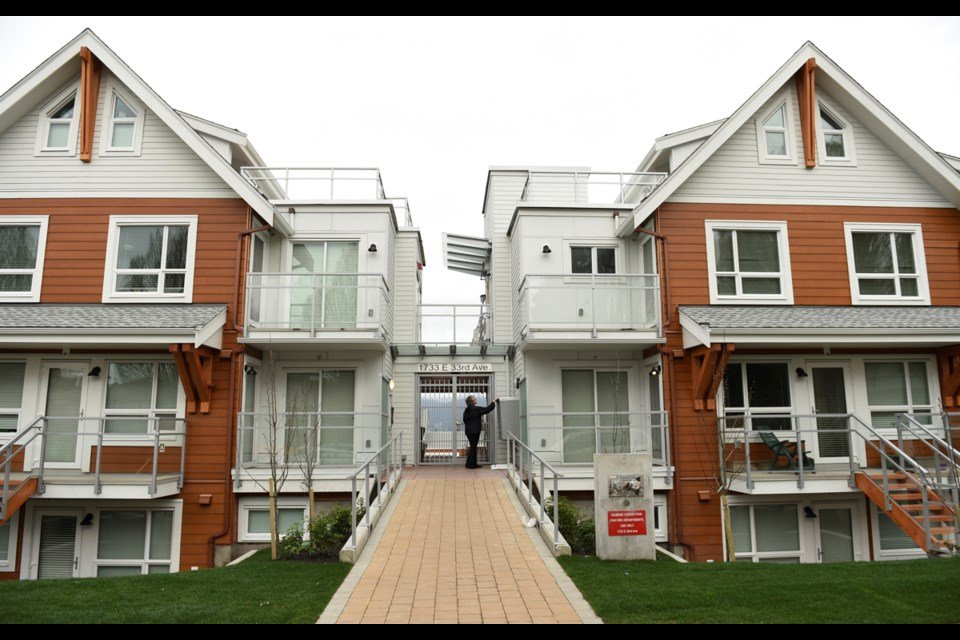
In 2026, the Kenyan real estate narrative has shifted from speculative luxury high-rises to a more grounded, essential focus: Affordable Housing. With a government-led push, a Sh50.6 billion budget boost for the 2026/27 financial year, and hundreds of thousands of units either completed or under implementation, the Affordable Housing Programme (AHP) is no longer a concept—it is a market-defining force.
For property investors, this shift presents a fundamental question: Is affordable housing a threat to your current portfolio, or is it the most significant opportunity of the decade? At Urban Nexus Realty, we believe that understanding this segment is no longer optional—it is a prerequisite for long-term wealth preservation.
1. The Realities of the 2026 Housing Market
The AHP is reshaping the urban landscape by aggregating massive demand through the Boma Yangu portal, where over one million Kenyans have registered interest. While critics occasionally voice concerns regarding political timelines or project delivery, the infrastructure around the program—specifically the Kenya Mortgage Refinance Company (KMRC)—has created a sustainable financing architecture.
- Mortgage Accessibility: First-time buyers now access mortgage rates between 9.5% and 11.5%, significantly lower than traditional commercial rates.
- The “Volume” Strategy: The market is no longer driven by the “high-margin, low-volume” model. Success in 2026 is driven by “low-margin, high-volume” strategies.
- Correction in Other Segments: As AHP units hit the market, they are exerting pressure on older, unmanaged apartment blocks. If you own older units that lack modern amenities or security, you are now competing against brand-new, government-backed developments at similar price points.
2. Is Affordable Housing a Threat or an Opportunity?
If your portfolio consists of middle-market apartments, you might feel the heat of the AHP. However, savvy investors are finding ways to pivot.
The Threat: The “Middle-Income Squeeze”
New AHP projects offer modern features: 24/7 security, reliable water, paved access, and social amenities—all at a price that first-time buyers find irresistible. If your existing rental units are in older buildings with high maintenance costs and inconsistent utilities, you risk losing tenants to these new developments.
The Opportunity: Portfolio Diversification
Instead of viewing AHP as a competitor, consider it a benchmark.
- Yields vs. Capital Gains: Affordable housing units often provide more consistent, lower-vacancy rental yields because they target the largest demographic: middle-income workers.
- Entry Barriers: Investing in affordable housing can have lower initial capital requirements compared to luxury developments, making it an excellent way to diversify your holdings and hedge against market volatility.
- Strategic Location: Infrastructure often follows AHP project sites. When the government builds a major housing estate, roads, electricity, and water infrastructure follow. Buying a value property near these sites can be a brilliant long-term play.
3. How to Integrate Affordable Housing into Your Portfolio
If you want to capitalize on this shift, don’t just “buy a house.” Treat it as a strategic addition to your portfolio.
- Analyze the “Total Cost of Ownership”: Don’t just look at the purchase price. Use metrics like the Net Rental Yield and Cash-on-Cash Return. AHP units in well-located areas (near transit corridors or industrial hubs) often outperform luxury units in terms of occupancy rates.
- Due Diligence is Mandatory: Just because a project is “affordable” doesn’t mean it’s a good investment. Check for sectional titles, the project’s developer track record, and the proximity to social amenities. Never rely solely on the “government-backed” label.
- Monitor Tenant Quality: In this segment, the tenant base consists of professionals, civil servants, and young families. This is a very stable demographic, making it easier to predict and manage rental income.
4. Navigating the Future with Urban Nexus Realty
The Kenyan property market is maturing, and the Affordable Housing Programme is accelerating that process. For investors, this means the days of “blind” buying are over. You need data, you need to understand the financing structures, and you need to know how to position your assets to remain competitive.
Whether you are looking to sell older properties for sale to re-invest in higher-growth segments or searching for properties for rent that provide steady cash flow, our team is equipped to guide you.
- Expert Sourcing: Our agents can help you identify AHP-adjacent opportunities that have the best potential for appreciation.
- Portfolio Audits: Not sure if your current holdings are at risk? Our agencies offer portfolio reviews to see how your assets stack up against new market benchmarks.
Is your portfolio ready for 2027 and beyond?
The AHP is the most significant structural change in Kenya’s housing history. Don’t be a spectator. Contact Urban Nexus Realty today to discuss how you can adapt your investment strategy to benefit from this new era of real estate. Let’s ensure your portfolio remains resilient, profitable, and ahead of the curve.




Join The Discussion