

In 2026, the narrative of Nairobi’s real estate market has undergone a fundamental transformation. For years, the “prime address” in Kilimani or Lavington was the ultimate goal for developers and investors alike. However, as of mid-2026, the landscape has shifted. Developers are increasingly moving beyond Nairobi’s traditional borders, prioritizing satellite towns like Ruiru, Kitengela, Syokimau, and Juja.
This move is not merely a reaction to Nairobi’s high entry costs—it is a strategic pivot toward structural demand, infrastructure-led growth, and the pursuit of long-term rental yields.
1. The “Affordability Gap” and Structural Demand
The primary engine driving this exodus is the affordability ceiling. With prime Nairobi residential prices pushing into premium territory, the middle-income demographic—which represents the bulk of Kenya’s urbanizing population—has been effectively priced out of the city center.
Developers are following the buyers. In satellite towns, the math is compelling: a developer can acquire land at a fraction of the cost found in Nairobi’s core, allowing them to deliver a 3-bedroom townhouse for KES 5–8 million—a price point that currently sees the highest absorption rates in the market. By catering to this “missing middle,” developers are achieving higher sales velocity than those struggling to move inventory in the luxury segment.
2. Infrastructure as the New “Location”
In 2026, developers no longer rely on the prestige of an address; they rely on the connectivity of an infrastructure corridor.
- The Thika Road Corridor (Ruiru/Juja): Anchored by industrial growth and the massive student population at JKUAT, this region offers the most predictable rental demand.
- The Mombasa Road/SGR Corridor (Syokimau/Athi River): Proximity to the Expressway and the SGR terminal continues to make these areas magnets for logistics and transit-oriented professionals.
- The Southern Bypass/Ngong Corridor: Benefits from improved road networks that have slashed commute times to the CBD and industrial zones.
Developers are strategically placing projects where the government has already committed to—or completed—infrastructure. They understand that while a property in the “deep interior” might be cheap, a property near a major road or train stop guarantees tenancy velocity.
3. The Commercial Pivot: Why Housing Is Taking a Backseat
It isn’t just residential projects moving outward. There is a broader commercial shift occurring. With the government’s aggressive Affordable Housing Programme (AHP) dominating the residential space at scale, private developers have found it difficult to compete on price in the entry-level segment.
Consequently, private capital is flowing into commercial and logistics-oriented assets in satellite towns. Warehouses, retail centers, and integrated mixed-use hubs are popping up along these transport corridors. Businesses are moving to these satellite towns to be closer to their workforce and reduce last-mile distribution costs, creating a symbiotic ecosystem where housing and commercial demand grow together.
4. Risks and Realities: A More Disciplined Market
Investors should note that the “boom” days of the 2010s are over. As of 2026, the satellite market is maturing, characterized by “market stabilization.”
- Performance Variability: Not all satellite towns are created equal. While areas like Ruiru have seen steady land price appreciation, others like Athi River have seen price corrections as infrastructure value becomes fully priced in.
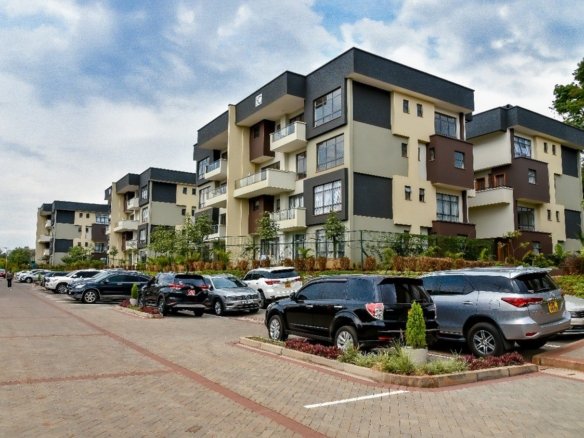
- The Management Factor: In 2026, a “cheap” unit is a liability if the building management is poor. The highest rental yields (currently 7–10% in satellite hubs) are consistently achieved in gated, well-managed communities that offer backup power, water security, and robust internet.
Navigating the Satellite Market
If you are looking to enter the satellite market, the key is to move from “speculative buying” to “data-driven selection.”
- For the Yield-Seeker: Look for towns with structural demand drivers (e.g., Juja’s student base or Athi River’s industrial hub).
- For the Long-Term Investor: Focus on areas where infrastructure is currently being upgraded rather than areas that have already peaked.
- Due Diligence: Always verify title status and ensure the developer has a track record of delivery. In this market, your choice of agents and agencies is just as important as the property itself.
How We Can Assist Your Journey
Whether you are interested in a high-growth value property in a satellite hub, or you need professional guidance to list a property for sale or property for rent, Urban Nexus Realty is positioned at the center of these shifting trends.
We work with a network of the most reputable real estate agencies and local agents who understand the micro-markets of Nairobi’s periphery.
Are you ready to shift your investment strategy toward sustainable growth? Contact our professional team today for an analysis of the best-performing satellite corridors of 2026.
Your property, our priority—at Urban Nexus Realty.


Join The Discussion